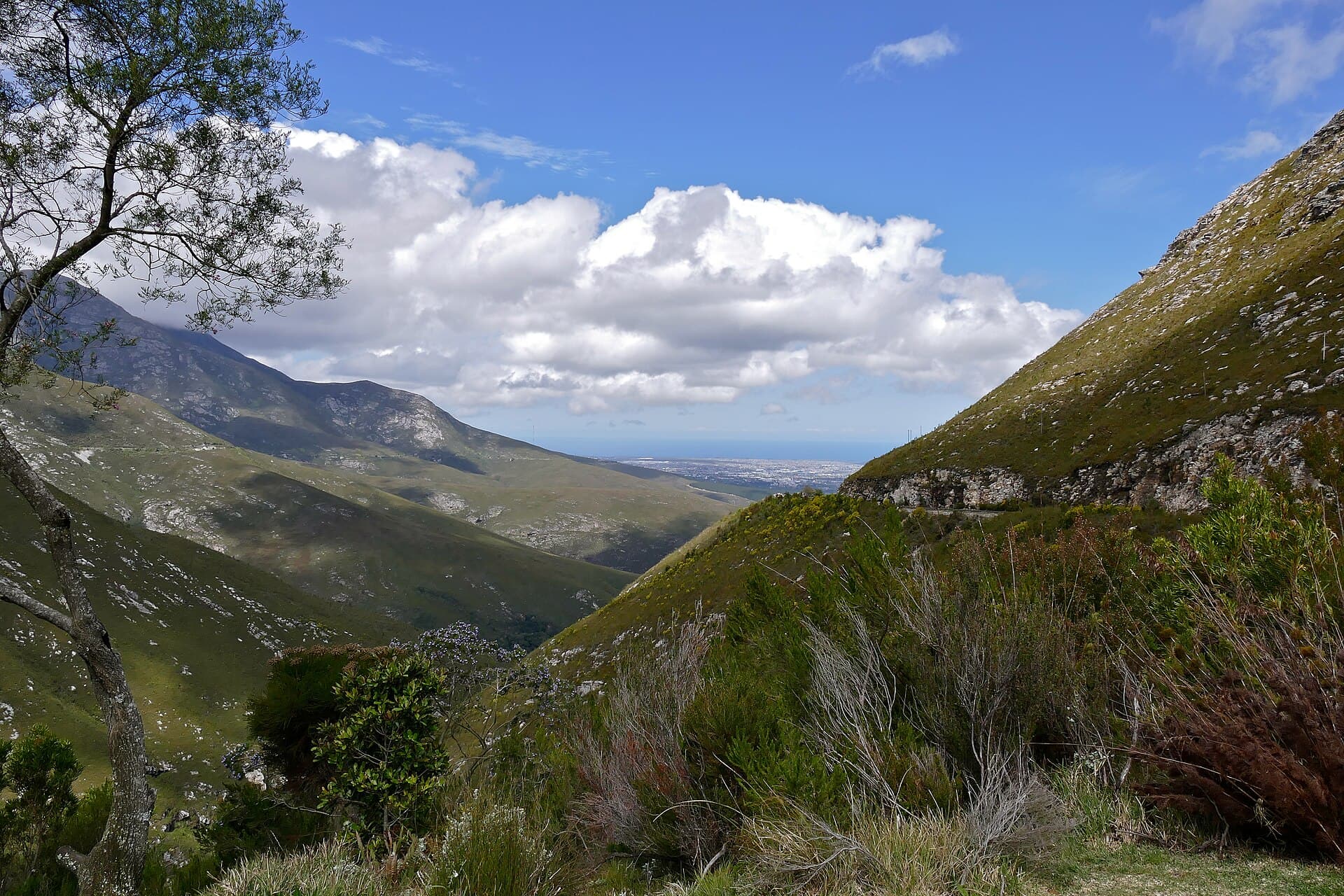
Revs flare halfway up the Outeniqua Pass, but the car barely picks up speed. Or you pull off at a robot on York Street and feel a clunk through the floor. A gearbox fault is one of the most expensive problems a car can develop, and transmission repair costs climb quickly when early signs are ignored. Caught early, many faults are a fluid, seal or software job. Left alone, the same fault can become a rebuild.
Why gearbox problems hit harder on Garden Route roads
Local driving asks a lot of a gearbox:
- Long climbs: Outeniqua Pass, Montagu Pass, Kaaimans and the N2 hills put a sustained load on it.
- Towing: Caravans and boats heading to Wilderness or Sedgefield add weight and heat.
- Loaded bakkies: Gravel farm roads add strain and knocks to the underbody.
- Town traffic: Stop-start driving keeps the gearbox working hard.
In this article, "gearbox" and "transmission" mean the same thing. Steves Auto Clinic explains that some people use "transmission" for the whole drivetrain.
The signs differ between manual, conventional automatic, CVT and dual-clutch (DSG) gearboxes. Each sign below says which types it applies to.
7 transmission warning signs to watch for
Each sign has an urgency rating:
- Monitor: Note it and mention it at your next service.
- Book a check soon: Get it inspected within days, not months.
- Stop driving: Get to safety and arrange a check or a tow.
1. The gearbox slips: revs climb but the car doesn't pick up speed
What you notice: The engine revs flare when you pull away or climb. The car feels as if it drops into neutral for a moment. On a manual, it may pop out of gear.
Gearbox types: All types.
Likely cause:
- Automatics: Low or burnt fluid, worn clutch packs, or a torque converter or solenoid problem.
- Manuals: Usually a worn clutch rather than the gearbox. Jumping out of gear is different. That points to wear inside the gearbox itself.
Is it my clutch or my gearbox? Try this on a quiet, straight road with no traffic. Drive slowly in 4th gear and press the accelerator firmly. If the revs rise but the car doesn't speed up to match, the clutch is slipping.
On an automatic, you'll usually notice slipping on the pass or when overtaking on the N2. Don't try to make it happen during an overtake. Just note when it happens.
Urgency: Book a check soon. If it gets worse or happens all the time, stop driving.
2. Delayed engagement when you select Drive or Reverse
What you notice: You shift from P or N into D or R. Nothing happens for a second or more, then there's a thud.
Gearbox types: Automatics and CVTs. This is a common early sign.
Likely cause: Low fluid, a blocked filter or a worn internal seal.
If it only happens on cold mornings, it's still a warning. Seals and fluid problems often show up cold first.
Urgency: Book a check soon.
3. Harsh, jerky or clunky gear changes (or gear hunting)
What you notice:
- Bangs between gears.
- A jolt as you slow to a stop.
- A shudder when pulling away at low speed. This is typical on DSG and other dual-clutch gearboxes.
- The gearbox shifts up and down constantly on hills. This is called gear hunting.
Gearbox types: Automatics, CVTs and dual-clutch gearboxes.
Likely cause: Old or low fluid, valve body or solenoid faults, or transmission control unit (TCU) software. Worn engine or gearbox mounts can also make normal shifts feel like clunks.
Some good news: Some of these faults are fixed with a fluid service, a software update or new mounts, not a rebuild. Don't assume the worst until it's been diagnosed.
Urgency: Book a check soon.
4. Grinding, whining, humming or clunking noises
What you notice:
- Manual: Grinding when you change gear. This points to worn synchromesh or a clutch that isn't fully releasing.
- Automatic and CVT: A whine that rises and falls with road speed, or a hum in neutral. Likely causes are bearings, low fluid, or CVT belt or pulley wear. A faint, steady CVT whine can be normal. A new or louder one is not.
- Any gearbox: A clunk when pulling off.
Not always the gearbox: A clunk can also come from CV joints, the propshaft or the differential. This is especially common on bakkies and 4x4s. Get a proper diagnosis before anyone quotes for gearbox work.
Urgency: Book a check soon. If the noise is a loud, metallic grinding, stop driving.
5. Red or brown fluid leaking under the car
What you notice: Spots under the middle or front of the car after it has been parked. Put cardboard under the car overnight to check the colour.
Gearbox types: Mainly automatics, CVTs and dual-clutch gearboxes. Manuals can leak gear oil too.
How to tell the fluids apart:
- Automatic transmission fluid (ATF): Red or pink when fresh, browner with age. It feels thin and oily and has an oily, petroleum smell.
- Engine oil: Brown or black, usually under the front of the engine.
- Coolant: Green, pink or orange, with a sweet smell.
- Brake fluid: Clear to yellowish, slippery, often near a wheel. Have this checked straight away.
- Aircon water: Clear and odourless. It's harmless.
Likely cause: A leaking sump gasket, cooler lines or output shaft seals. A knock to the underbody on a gravel road or a speed bump can also start a leak.
Low or degraded fluid is a common, preventable cause of gearbox damage.
Urgency: Book a check soon. If it's a steady drip or the level is very low, stop driving.
6. A burning smell or overheating
What you notice: A burnt-toast smell after a long climb, towing or slow traffic. The fluid looks dark and smells burnt.
Gearbox types: All types. On a manual, the smell is often a slipping or "ridden" clutch.
Likely cause: Overheated fluid. Hot fluid breaks down quickly and then damages the parts inside the gearbox. Towing up the Outeniqua Pass is a classic trigger.
Does towing a caravan damage the gearbox? Not if you stay within your vehicle's rated towing capacity and the fluid is in good condition. Towing does raise fluid temperature, though, and heat ages fluid quickly.
How to check the fluid (only if your car has a dipstick):
- Park on level ground. Follow the owner's manual on whether the engine should be running and warm.
- Pull the gearbox dipstick and wipe it on white paper towel.
- Look at the colour. Red or pink is healthy. Dark brown or black is a problem.
- Smell it. A burnt smell means it has overheated.
- Check that the level sits between the marks.
Many modern gearboxes are sealed and have no dipstick. Those need a workshop check.
Urgency: Stop driving. Pull over safely and let it cool. Then book a check soon, and before you tow again.
7. Warning light, limp mode or the car stuck in one gear
What you notice: A check-engine light, a gearbox or "AT" warning, or a flashing gear indicator. The car may be stuck in one gear, often 2nd or 3rd, with reduced power.
Gearbox types: Automatics, CVTs and dual-clutch gearboxes.
What limp mode is: It's a self-protection setting. The car's computer has detected a fault, so it holds one gear to limit damage and get you off the road. That's why the car stays in one fixed gear, often 2nd or 3rd depending on the model. The car is telling you to get it checked.
Likely cause: Anything from a faulty sensor to low fluid or overheating. A diagnostic scan reads the stored OBD-II fault codes and narrows down the cause. Don't just clear the code and carry on. The fault is still there.
Urgency: Stop driving. Only drive as far as you need to reach safety or the workshop.
Can I still drive with a bad transmission?
Sometimes, for a short distance. But every kilometre on a failing gearbox can turn a repair into a replacement.
If you must drive:
- Drive gently and keep trips short.
- Don't tow.
- Avoid steep passes and the N2 at speed.
- Don't top up with whatever fluid is on the garage shelf. The wrong fluid can cause damage.
Call for a tow instead if:
- The car is in limp mode.
- You hear loud grinding.
- There's no drive in D or R.
- The leak is heavy.
Safety matters too. A gearbox that slips can leave you without power in the middle of an overtake or halfway up a pass.
Transmission repair vs replacement: can it be fixed, and what's cheaper?
Yes, many gearbox faults can be repaired. The earlier you catch them, the cheaper they usually are.
How much does transmission repair cost in South Africa? There's no honest single figure. Prices depend on the gearbox type, the make and model, and parts availability. A manual hatchback and a dual-clutch SUV can be very different jobs. A workshop can only quote you a price in rand once the car has been diagnosed.
Here's how the main jobs compare, from cheapest to most expensive:
| Job | Relative cost | Typical trigger |
|---|---|---|
| Gearbox fluid or sump service | Lowest | Due by kilometres, dark fluid, early harsh shifts |
| Seal or leak repair | Low | Spots under the car |
| Solenoid, valve body or TCU repair | Moderate | Harsh or delayed shifts, warning lights |
| Clutch replacement (manual) | Moderate, higher on bakkies and SUVs | Slipping, burning smell, high pedal |
| Full rebuild or overhaul | High | Internal wear, serious slipping |
| Reconditioned or service-exchange unit | High | Rebuild not practical, or faster turnaround needed |
| New unit | Highest | Severe damage and no good exchange option |
Gearbox specialists such as Enduro Gearbox Centre list most of these jobs as separate services. Their list includes sump services, valve body and control unit repairs, and service-exchange gearboxes. That's a reminder that a full replacement isn't the only option.
Is it cheaper to repair or replace a gearbox? Fixing a specific fault is usually cheaper. Replacement starts to make sense when the internal damage is extensive. Weigh up:
- The car's age and value. A big bill on an old car may not add up.
- Mileage and overall condition.
- How far the damage has spread inside the gearbox.
- Whether exchange units and parts are available for your model. Common bakkie gearboxes are often easier to source than imported German automatics. As AutoTrader notes, many premium British and German automatics use ZF gearboxes, which can need specialist parts and know-how.
Know your rights. Under the Consumer Protection Act, you're generally entitled to an estimate before repair work starts, unless you choose to waive it. If you have a dispute with a workshop, you can contact the Motor Industry Ombudsman of South Africa (MIOSA).
How to keep your gearbox healthy
- Follow the fluid intervals. Use the gearbox fluid change interval in your owner's manual. Many "sealed for life" gearboxes still benefit from a fluid change, especially if you tow or drive the passes often.
- Avoid bad habits. Don't coast downhill in neutral, and don't shift into neutral at robots. Come to a complete stop before selecting Reverse or Drive. AutoTrader flags all three habits.
- Use lower gears on long descents. Use a lower gear or manual mode on descents such as the Outeniqua Pass, and stay within your towing limits.
- Manual drivers: Don't rest your foot on the clutch, and don't hold the car on a hill with the clutch. Use the handbrake instead.
- Hybrids and EVs: Most EVs use a single-speed reduction gearbox, and many hybrids use an e-CVT. Their gearboxes are simpler, with fewer moving parts, but they still need checks for leaks and noise.
- Service regularly. A routine service is when small leaks and fluid problems get spotted early.
Get your gearbox checked in George, with no surprises
Focus Auto is on Kuile St, George Industria. Booking a service takes a few minutes:
- Enter your VIN, or choose your car manually by make, model, year, fuel type and engine.
- Pick the service that's due. It's suggested by kilometres or by age.
- Add any optional extras.
- Choose a drop-off time.
- Pay online by card, Apple Pay or Google Pay.
The fixed price for your booked service includes parts and labour, so the price you see is the price you pay for that service.
Mention any gearbox symptoms when you book or drop off. Tell us what you noticed, when it happens and which sign above it matches. If we find a gearbox issue, we'll explain it and quote first. No extra work is done without your OK.
Did the leak or noise start after a knock or an accident? The workshop also does panelbeating and accident repairs, quoted after inspection. Call 072 909 0824.
The short version: Write down your symptom and check its urgency rating. Don't tow or tackle the passes until it's been looked at.
Frequently asked questions
Can transmission be repaired?
Yes, many gearbox faults can be repaired, and the earlier you catch them the cheaper they usually are. Caught early, many faults are a fluid, seal or software job rather than a rebuild.
Is it cheaper to repair or replace a gearbox?
Fixing a specific fault is usually cheaper than replacing the gearbox. Replacement starts to make sense when internal damage is extensive, so weigh up the car's age and value, mileage, how far the damage has spread and whether exchange units are available for your model.
What are the first signs of a transmission going bad?
Common early signs include slipping, where the revs climb but the car doesn't pick up speed, and a delay before Drive or Reverse engages. Harsh or jerky shifts, unusual noises, red or brown fluid leaks, a burning smell and warning lights or limp mode are also warnings.
Can I still drive a car with a bad transmission?
Sometimes, for a short distance, but every kilometre on a failing gearbox can turn a repair into a replacement. Drive gently, don't tow and avoid steep passes, and call for a tow if the car is in limp mode, grinding loudly, has no drive in D or R, or is leaking heavily.
Does towing a caravan damage the gearbox?
Not if you stay within your vehicle's rated towing capacity and the fluid is in good condition. Towing does raise fluid temperature, though, and heat ages fluid quickly, especially on climbs like the Outeniqua Pass.